Beyond dal-chawal: the combinations where a spoon of achar turns a simple meal into a feast — plus the rules of great pairing.
Achar is India's original flavour bomb. One spoon can rescue the blandest meal, cut through the richest gravy, and make a humble plate of dal-chawal feel like an occasion. But not all pairings are created equal. Some combinations are merely good; others are so right that entire regions have built their comfort food identity around them.
Here are the seven pairings we swear by in the PanchMantra kitchen — along with why each one works, because there is real logic hiding inside these old habits.
The secret rule of pairing
Before the list, the principle: pickle works by contrast. Its jobs are to cut richness, wake up blandness and add crunch or bite where a dish is soft. So the richer, creamier or plainer the base dish, the harder a good achar shines. Keep that rule in mind and you can invent pairings of your own for the rest of your life.
1. Mango pickle + parathe + white butter
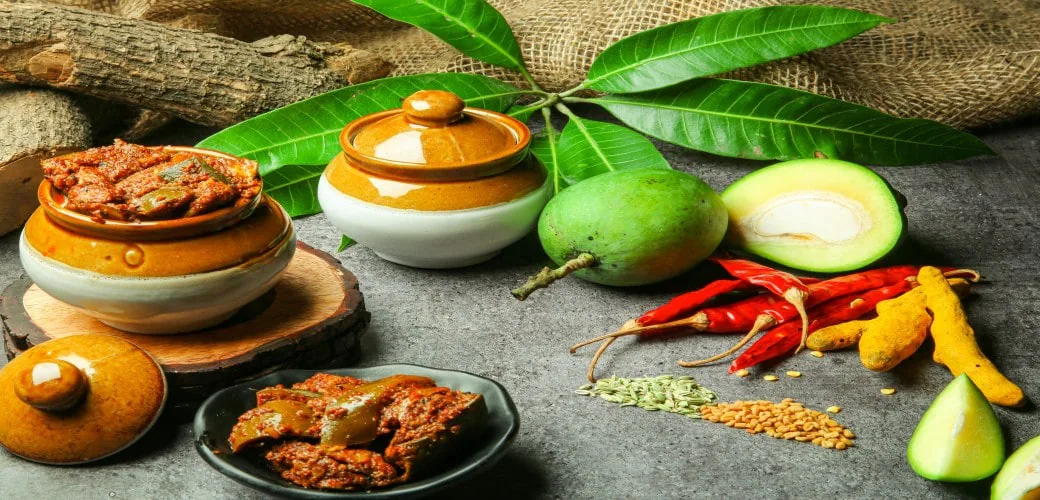
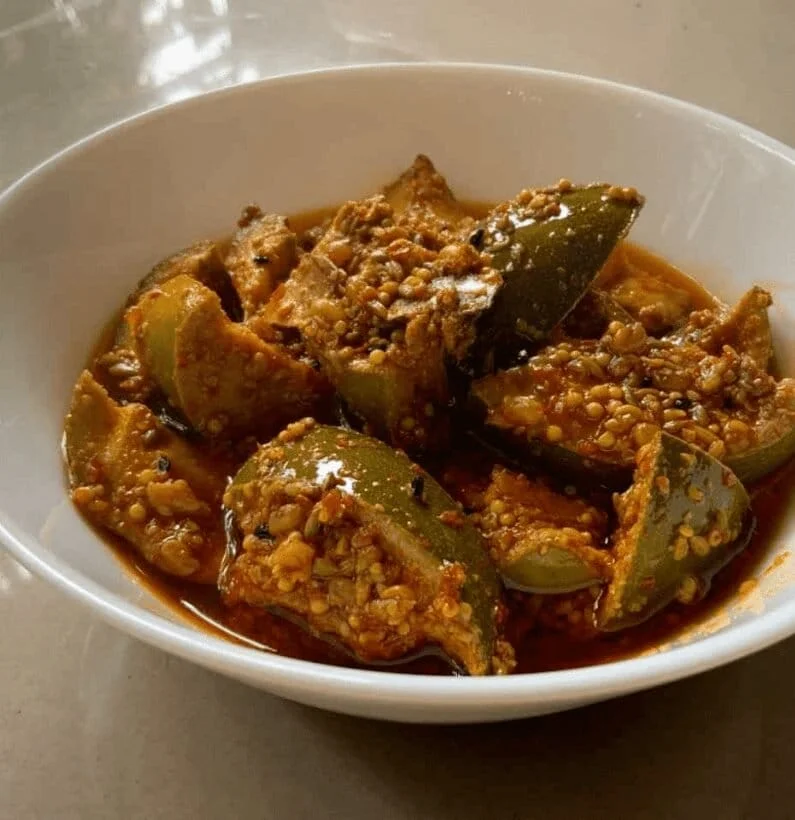
The holy trinity of a Punjabi winter breakfast, and arguably the finest pickle moment in all of Indian food. A hot, flaky paratha shining with ghee is gorgeous but heavy; the sharp tang of Mango Pickle slices straight through that richness and resets your palate for the next bite. Add a dollop of soft white butter melting into the layers and you have a breakfast people genuinely dream about. If you try only one pairing from this list, make it this one on a cold Sunday morning.
2. Lemon pickle + curd rice
A South Indian classic and possibly the most soothing plate of food on Earth. Thayir sadam — cool, creamy, gently salted curd rice — is comfort itself, but it is deliberately mild. A piece of sweet-sour Lemon Pickle on the side provides the spark: bright citrus, gentle heat, a hit of salt. The contrast of cold-creamy and sharp-tangy is why no South Indian meal ends without this duo. Bonus: both curd and naturally fermented lemon pickle are kind to digestion, which is exactly why this is the go-to meal after a heavy week.
3. Red chilli pickle + dal khichdi
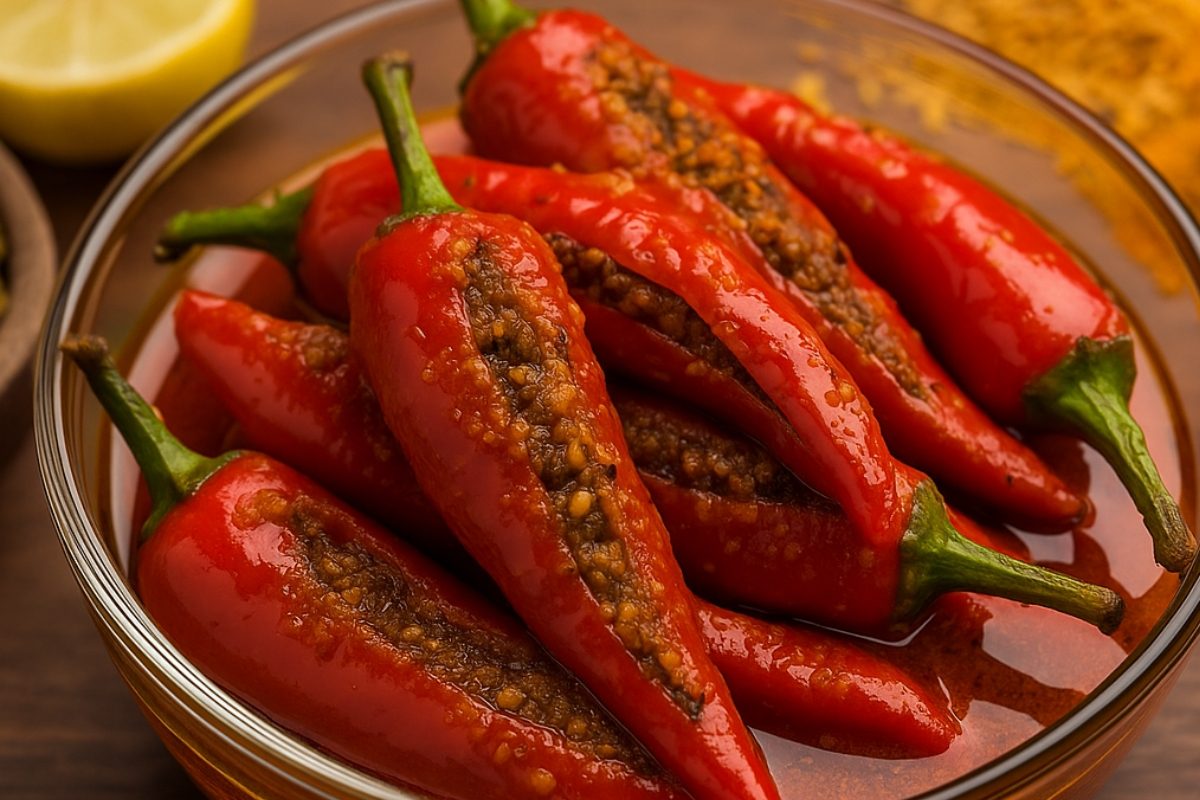
Khichdi is gentle by design — soft rice, mellow moong dal, a whisper of haldi. Comforting, yes; exciting, no. Enter the bharwa lal mirch: a whole red chilli stuffed with tangy, earthy masala. One piece beside a bowl of khichdi and suddenly the meal has drama — you alternate spoonfuls of soothing softness with little explosions of heat and spice. This is the definitive sick-day, rainy-day, too-tired-to-cook meal, elevated by our Red Chilli Pickle.
4. Garlic pickle + rajma chawal
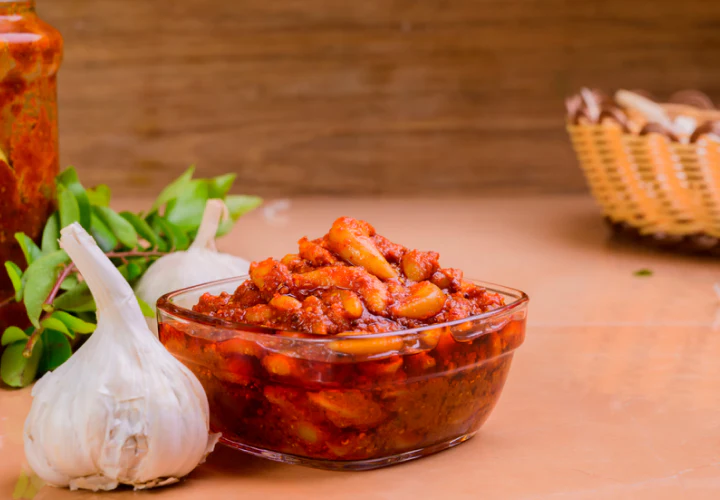
Rajma chawal is already a top-tier comfort food, but it plays entirely in deep, earthy notes. Lahsun ka achar speaks the same language with a sharper accent — mellow, tangy slow-cooked garlic cloves that echo the tadka inside the rajma while adding brightness the gravy lacks. Mash a clove of Garlic Pickle into the rice along with the rajma and taste how the whole plate snaps into focus. There is no going back from this one.
5. Mixed pickle + poori-bhaji
Sunday morning energy. Puffed golden pooris with potato bhaji are festive and indulgent — and unapologetically oily. This is precisely where a sharp Mix Pickle earns its place: mango for tang, chilli for heat, carrot and lemon for bite, all keeping the fried-food richness in check so the fourth poori tastes as good as the first. This is contrast theory working at full power.
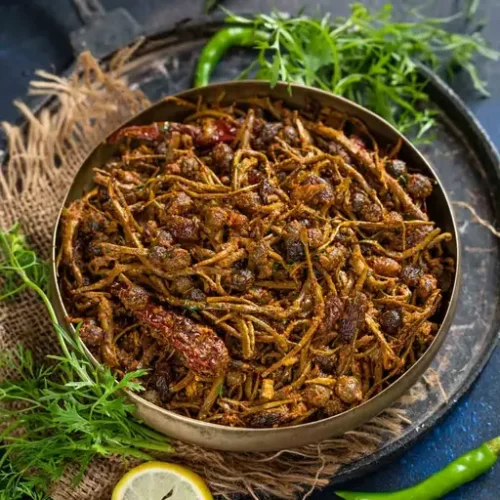
6. Kair sangri pickle + bajre ki roti
The full Rajasthani experience. Kair (a tart desert berry) and sangri (a wild bean) grow where almost nothing else will, and Rajasthan turned them into one of India's most distinctive pickles. Paired with a rustic millet roti and a spoon of ghee, the Kair Sangri Pickle delivers something close to time travel — earthy, tangy, smoky flavours that taste of the desert itself. If you have never tried it, this is the most adventurous and rewarding pairing on this list.
7. Ginger pickle + winter soups and khichdi
The modern wildcard. A little Ginger Pickle stirred into a hot bowl of soup, dal or khichdi adds warmth, gentle heat and a gut-friendly zing that feels made for cold evenings. Adrak has always been winter's spice in Indian kitchens; the pickle form just makes it convenient. Try a small spoon in tomato soup once — it converts people instantly.
Two bonus pairings for the curious
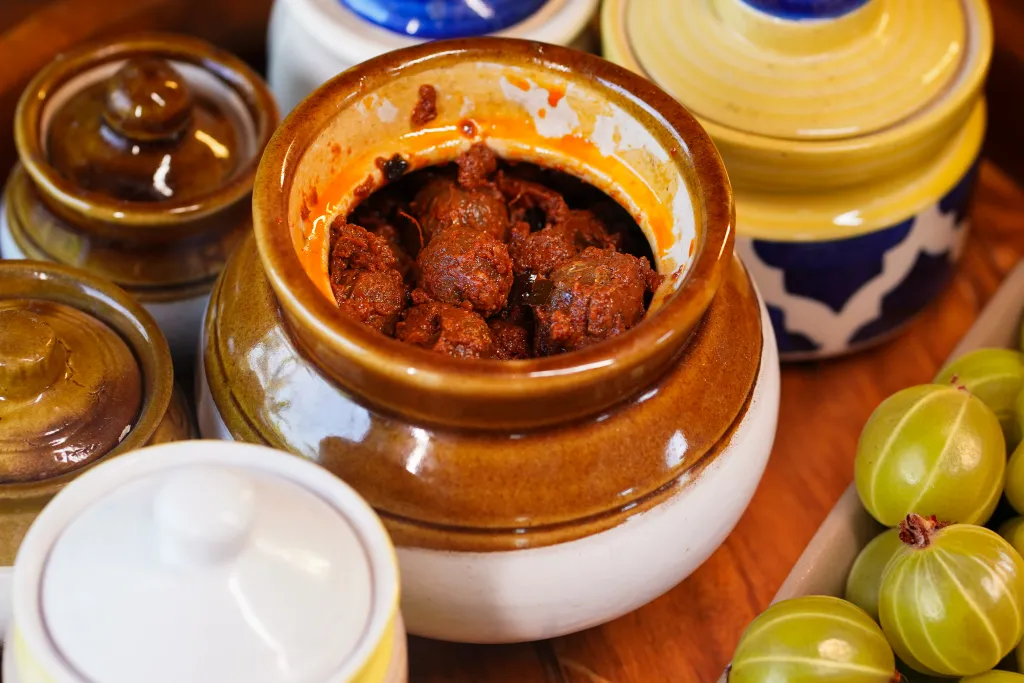
Amla pickle + winter breakfasts. Tart, vitamin-rich amla pickle beside a simple winter breakfast of paratha or daliya is an old North Indian immunity habit that happens to taste wonderful — sharp, faintly bitter-sweet and deeply warming. Our Amla Pickle is the one elders in the family invariably claim first.
Carrot pickle + dosa and sandwich rolls. Crunchy, mildly spiced Carrot Pickle is the most underrated sandwich ingredient in India. Chop a few pieces into a grilled sandwich, tuck some inside a paratha roll, or serve it beside plain dosa when there is no chutney in the house — the crunch and gentle heat fill exactly the gap that raw onion usually tries to.
Bonus rules from our dining table
A few closing habits that make every pairing better. Serve pickle at room temperature, never fridge-cold — cold numbs the aromas. Use a little of the masala oil, not just the pieces; that oil carries half the flavour. Start small: a pickle should accent a meal, not conquer it. And keep two or three varieties open at once, because different meals call for different moods — that is honestly the entire reason our Mix Pickle and combo packs exist.
Build your own pairing shelf
If you are just starting your pickle journey, here is a simple shelf that covers every meal of the week: one mango for parathas and rajma days, one lemon for curd rice and light lunches, one chilli or garlic for the khichdi evenings, and a mixed jar as the all-rounder for everything in between. Four jars, endless combinations — and every meal in the house suddenly has a supporting cast. That, in one sentence, is the whole philosophy of the Indian pickle shelf.
Which combination is your favourite? Did we miss a pairing your family swears by? Tell us on WhatsApp — the best suggestions have a habit of ending up in our kitchen experiments.