
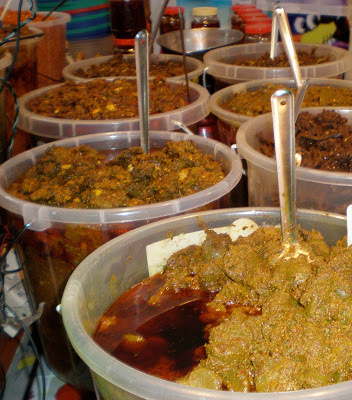
The golden rules our grandmothers followed to keep achar fresh for 12 months — no fridge needed. A complete storage guide.
A good pickle is a year-long companion. In most Indian homes, the achar made in May is still being enjoyed the following March — tangy, deep and somehow even better than the day it was made. But that only happens when the jar is stored right. Store it wrong, and even the finest pickle can grow a layer of fungus within weeks.
At PanchMantra, storage questions are the ones we get asked most often. So here is our complete guide — every rule our grandmothers followed, along with the reasons behind them, the warning signs to watch for, and a simple monthly routine that keeps every jar perfect till the last piece.
Why pickles spoil in the first place
Before the rules, it helps to understand the enemy. Pickles are preserved by three natural guards: salt, oil and acidity. Salt draws water out of the vegetables and makes the environment hostile for bacteria. Oil seals the surface and blocks air. The natural acidity that develops during fermentation does the rest.
Spoilage happens when any of these guards is weakened — usually by two things: water and air. A drop of water introduces moisture where microbes can grow. Repeated opening introduces air and stray spores. Almost every storage rule you are about to read exists to keep these two intruders out.
The dry spoon rule
This is the rule above all rules, and the reason most home pickles fail. Even a single drop of water from a freshly washed spoon can start a colony of fungus within days. The salt concentration at that wet spot drops, microbes find a foothold, and the white fuzz spreads from there.
The fix is simple: keep one dedicated, completely dry steel spoon just for your achar jar. Never use it for anything else, never let it touch dal or sabzi mid-meal and then go back into the jar. In many traditional households, the pickle spoon was practically sacred — nobody dared touch it with wet hands. That instinct was pure food science.
Keep the oil layer floating
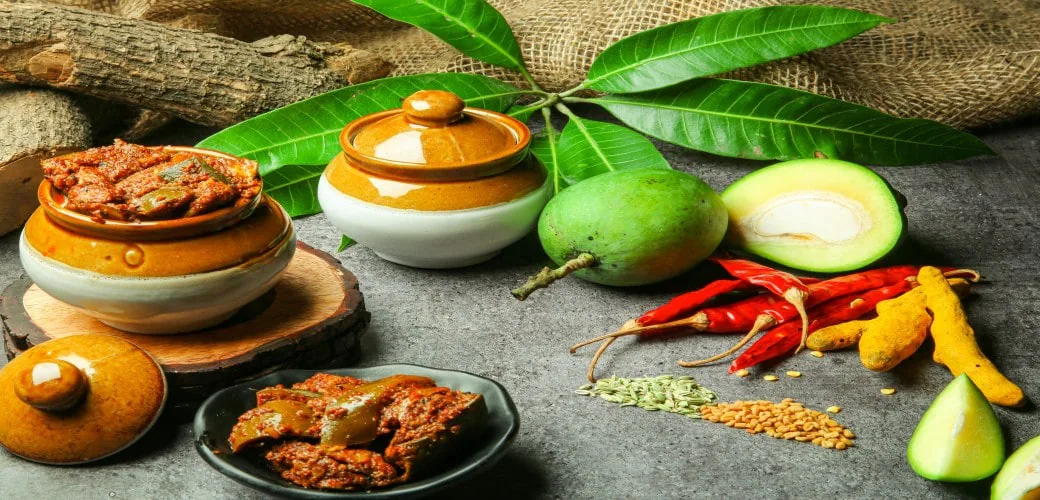
Mustard oil is nature's own preservative. Its natural pungency comes from compounds that actively resist microbial growth, which is why every traditional recipe drowns the pickle generously in it. The pickle should always stay submerged under a visible layer of oil — think of it as a protective blanket.
Over months, as you take pieces out, the oil level drops and pieces start peeking above the surface. Those exposed pieces are the first to spoil. The remedy: warm a little cold-pressed mustard oil until it just smokes, let it cool completely to room temperature, and pour it over the top until everything is covered again. Never pour hot oil directly — it cooks the spices and changes the flavour.
Glass or ceramic, never plastic
Pickle is a chemically active food. It is acidic, salty and oily all at once, and over months it will slowly react with plastic containers — leaching odd flavours in and absorbing stains that never wash out. Traditional homes used the ceramic barni (that beautiful brown-and-cream glazed jar) for good reason: ceramic is completely non-reactive, keeps temperature stable and blocks light.
Glass jars are the modern equivalent and work beautifully. Before use, wash the jar with hot water and then — this part matters — dry it completely in the sun for a few hours. A jar that looks dry can still hold invisible moisture in its corners. The sun finishes the job and sterilises the jar for free.
Cool, dry and away from light
Direct sunlight on a filled jar, week after week, slowly fades both the colour and the aroma of a pickle. Heat from a nearby stove does similar damage, speeding up rancidity in the oil. The ideal home for your jar is a kitchen cupboard or pantry shelf — cool, dark and dry.
And no, the fridge is not needed for oil-based pickles. In fact, refrigeration can dull the flavours and cause the oil to solidify into an unappetising cloudy layer. Traditional achar was designed to survive Indian summers on a shelf. Trust the recipe. The only exceptions are quick pickles made with little or no oil — those water-based instant pickles genuinely belong in the fridge and last only a couple of weeks.
The two-jar system
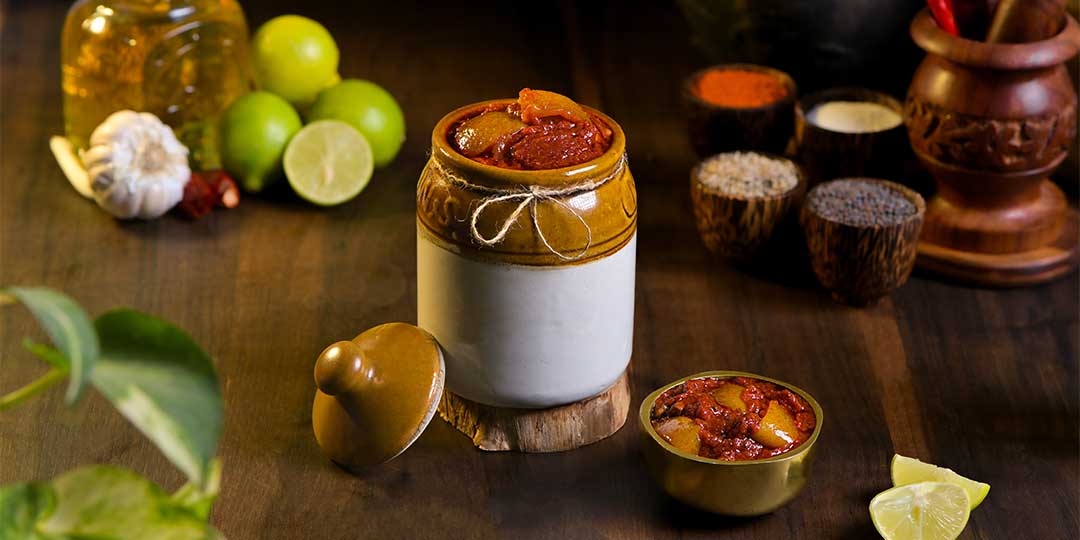
Here is the single smartest trick we know, used in practically every pickle-loving household: keep two jars. The main jar stays sealed in the cupboard and is opened only once a week. A small daily-use jar sits on the dining table and gets refilled from the main jar every few days.
Why does this work so well? Because every time a jar opens, air, humidity and stray spores get in. By concentrating all that daily traffic on a small jar that gets emptied and refilled quickly, the main stock stays practically untouched — and safe for a full year.
Know the warning signs
Even with perfect habits, check your jar monthly. Signs that something has gone wrong: white or green fuzzy patches on the surface, an off smell that has turned sharp or sour in an unpleasant way, fizzing or bubbling when the jar is still, or pieces that have turned slimy. If you spot fungus only on one or two pieces at the very top, some households remove those pieces along with the surrounding oil — but honestly, if there is visible mould, the safest call is to let that jar go. A spoiled pickle is not worth the risk.
Your monthly two-minute routine
Once a month, give every jar a quick service. Open it in dry weather, press the pieces down gently with the dry spoon so everything sits below the oil, top up with cooled mustard oil if the level has dropped, wipe the rim and inner neck of the jar with a clean dry cloth, and close it tight. On a sunny day, letting the open jar sit in mild sunlight for an hour is an old bonus trick — the warmth drives out moisture and refreshes the pickle.
That is genuinely all it takes. Two minutes a month, one dry spoon, and a respect for the oil layer — and your PanchMantra jar will taste as glorious in month twelve as it did on day one. Though we will be honest: in most homes, no jar of good Mango Pickle has ever actually survived twelve months. It gets finished long before storage becomes a problem.